


This content is part of a student project at UCLA Extension. Any logos used might be slightly changed to indicate that this document is NOT a communication from the company represented by the changed logo. Any statements made in this content are the statements of the UCLA student and not of any company. This statement is made so that any reader will understand this document is part of a UCLA student project and NOT a communication from any existing company.
Screenless vs. Smartwatch: Which Wearable Fits the Modern Executive Lifestyle?
Two very different philosophies for tracking your body. Only one of them was built with a boardroom in mind.
6 min read — Editorial
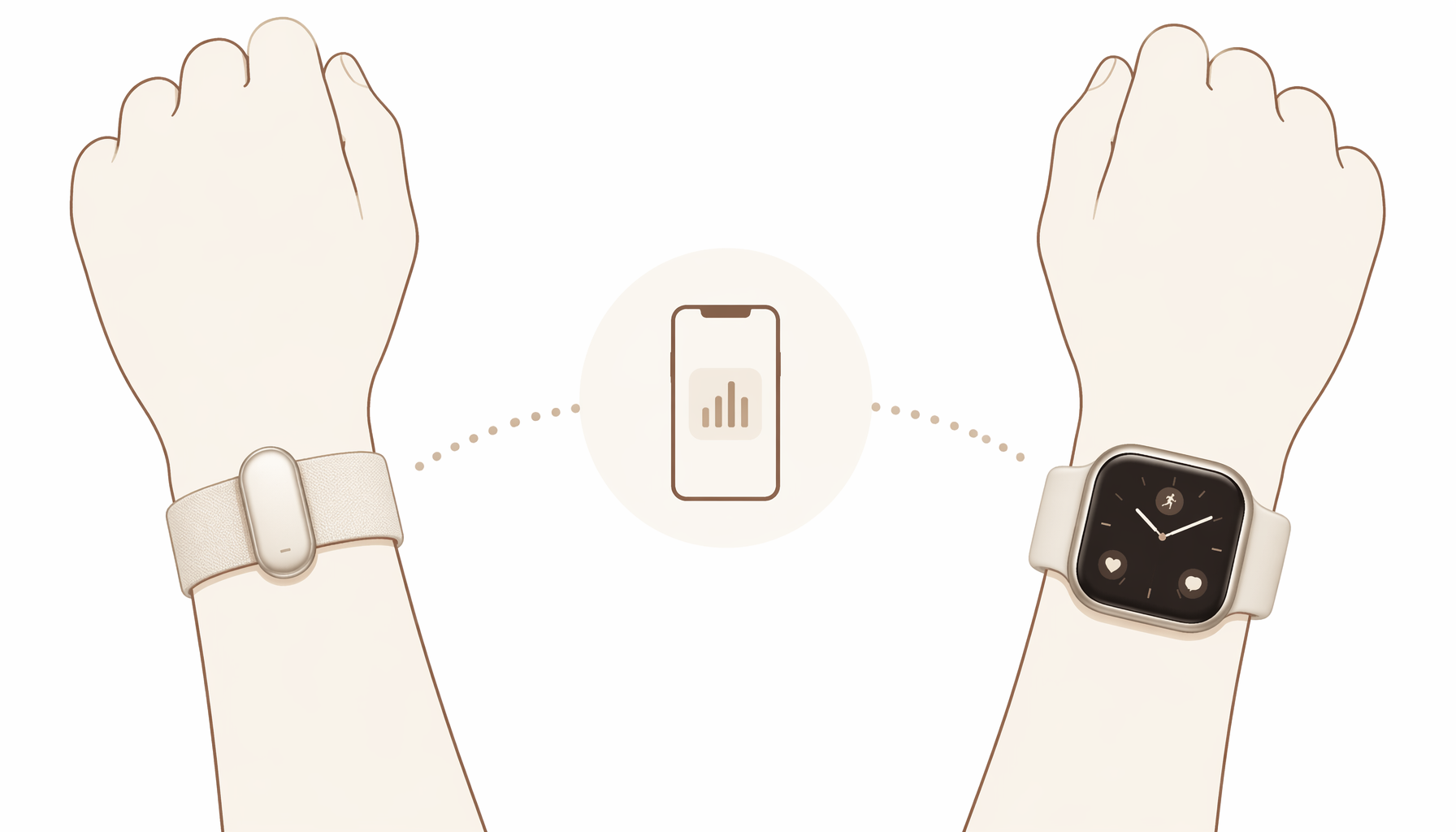
If you're tracking your health seriously, you've likely already ruled out the bulky sports band. The real decision most executives face next is quieter, and less obvious: screenless wearable, or smartwatch?
They look similar on a product page. They behave very differently on your wrist.
What each one is actually built for
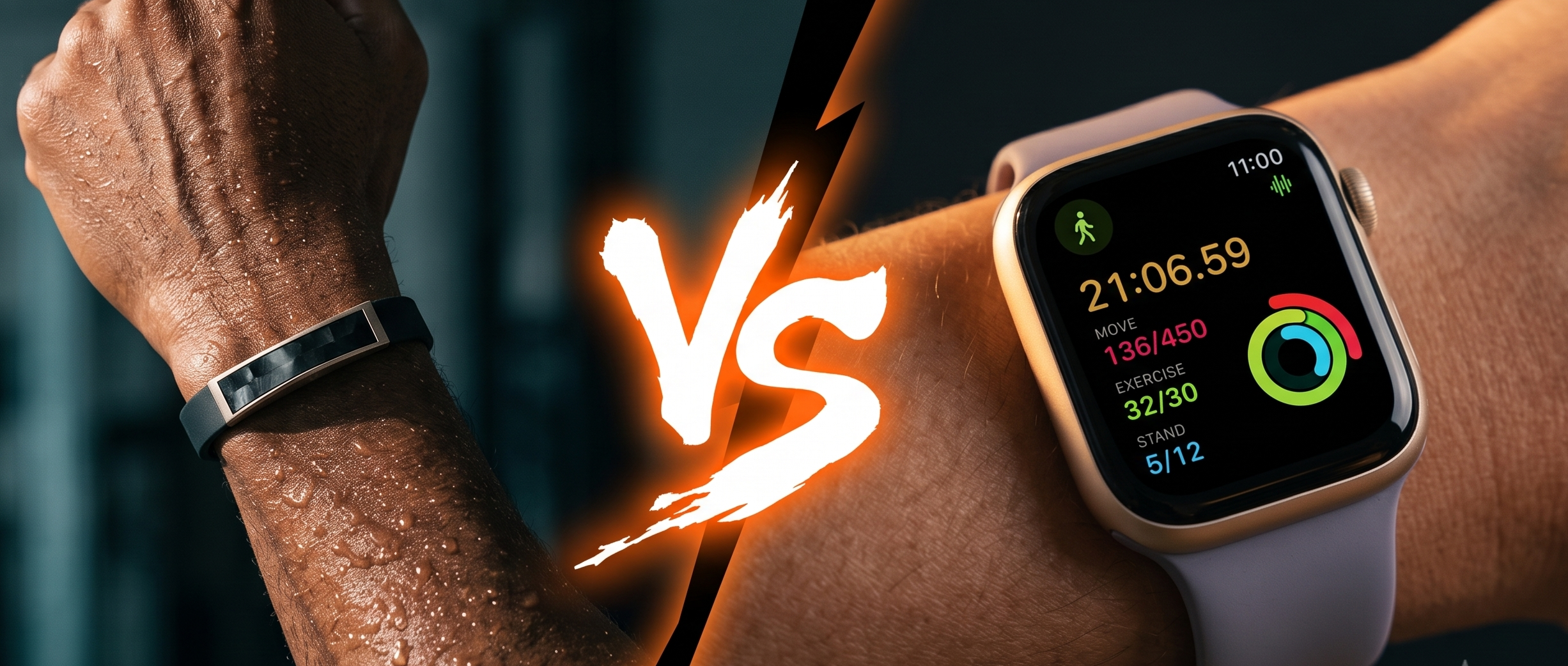
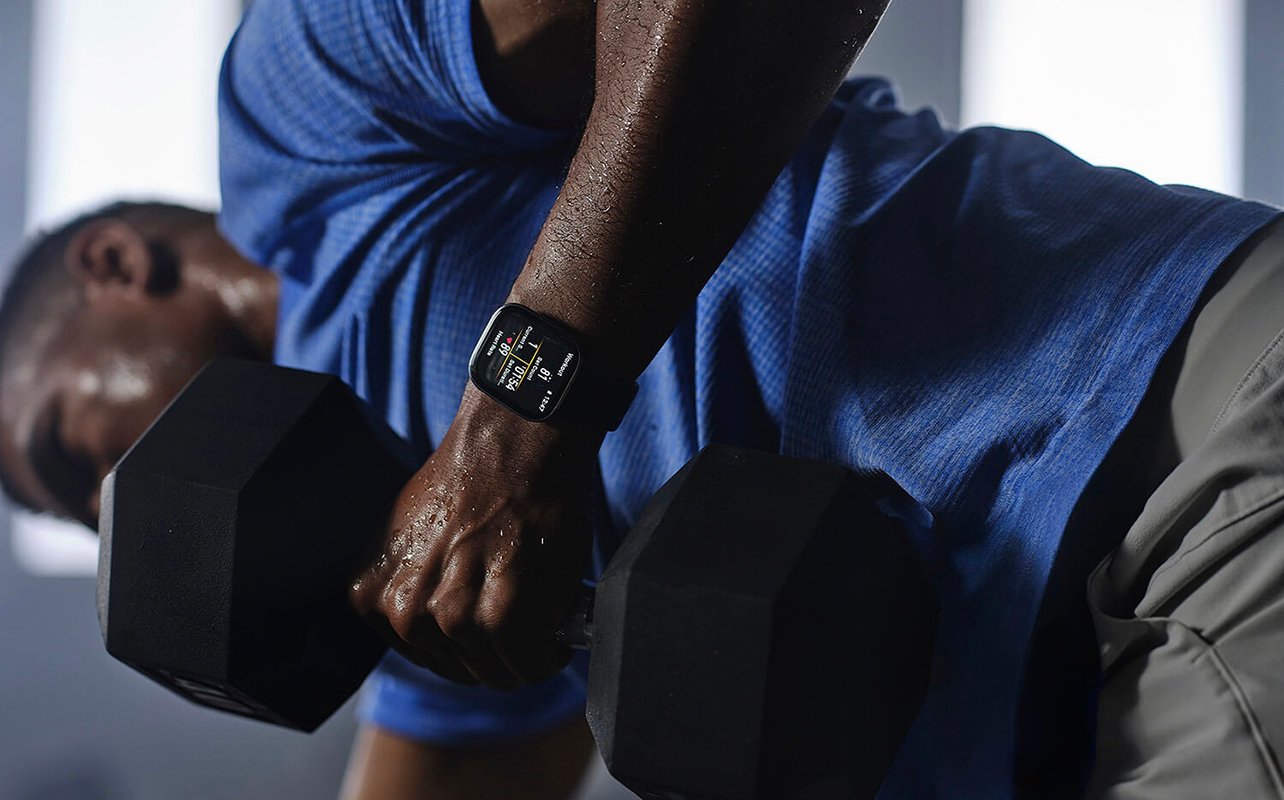
A smartwatch is, at its core, a small computer. Notifications, apps, calls, a screen that lights up dozens of times a day. Health tracking is one feature among many — important, but not the only job the device is doing.
A screenless wearable has one job: capture biometric data continuously, as unobtrusively as possible. No screen to glance at, no notifications to manage, no reason to take it off except to charge it.
The smartwatch is built to be looked at. The screenless wearable is built to be forgotten — and worn because of it.
Side by side
| Smartwatch | Screenless wearable | |
| Primary purpose | Notifications, apps, and general computing, with health tracking included | Continuous biometric tracking as the sole function |
| Visual profile | Screen-forward, tech-coded, often bulky | Minimal, closer to jewelry or a slim watch |
| Battery life | Typically 18–48 hours | Often 5–7+ days |
| Boardroom fit | Can draw attention when it lights up mid-meeting | Sits quietly beneath a cuff, unnoticed |
| Wear-time likelihood | Lower — often removed for charging, formal events, or sleep | Higher — designed to stay on continuously |
| Best suited for | Those who want one device to handle communication and fitness together | Those who want the most complete, uninterrupted health data with minimal visual footprint |
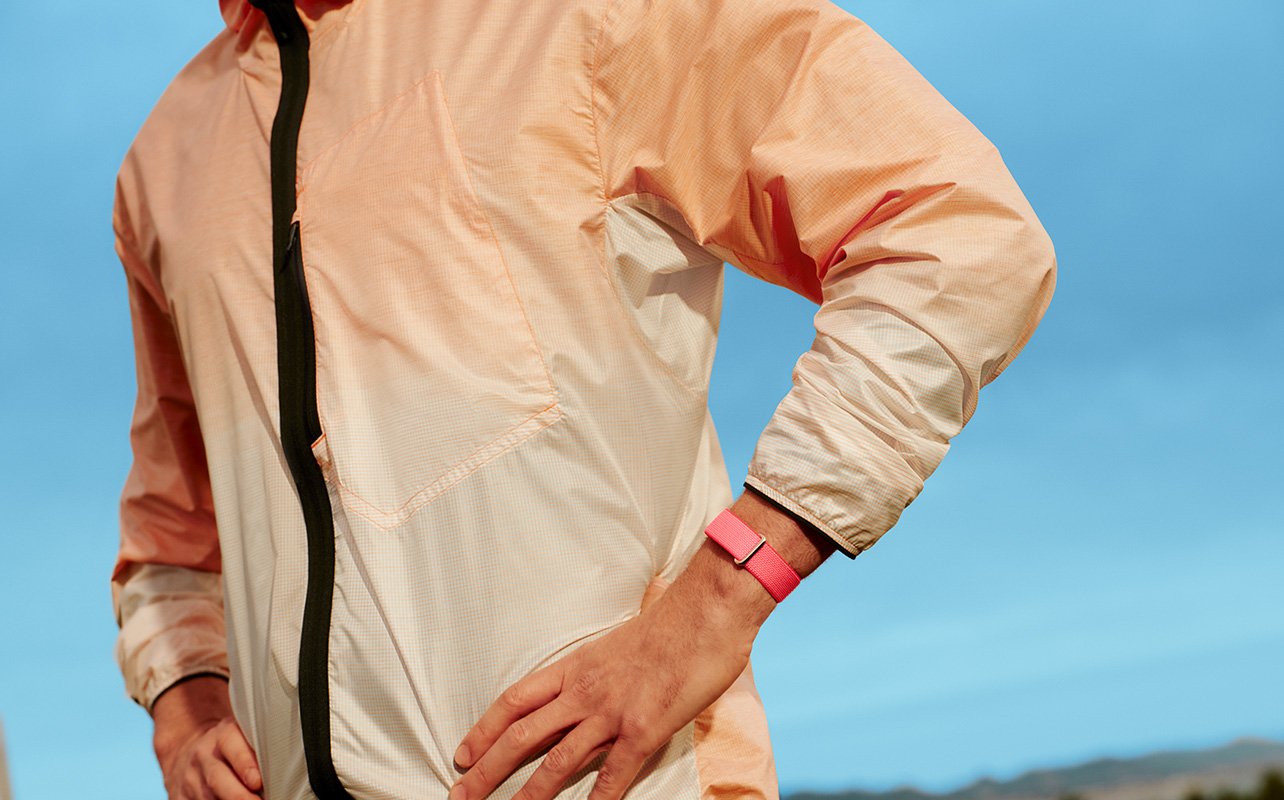
The wear-time question decides more than people expect
A smartwatch's extra features come at a cost most people don't calculate: shorter battery life and a screen that invites frequent removal — charging overnight, taking it off for a formal dinner, leaving it behind for a swim. Every one of those moments is a data gap.
A screenless wearable trades those features away in exchange for something specific: it's easier to wear all day, every day, precisely because there's less reason to take it off.
The short version
If you want a single device to also manage notifications and apps, a smartwatch is the more versatile tool. If your priority is the most complete, least-interrupted picture of your heart rate, stress, and recovery — worn from a workout straight into a client meeting without a second thought — a screenless wearable is built for exactly that.
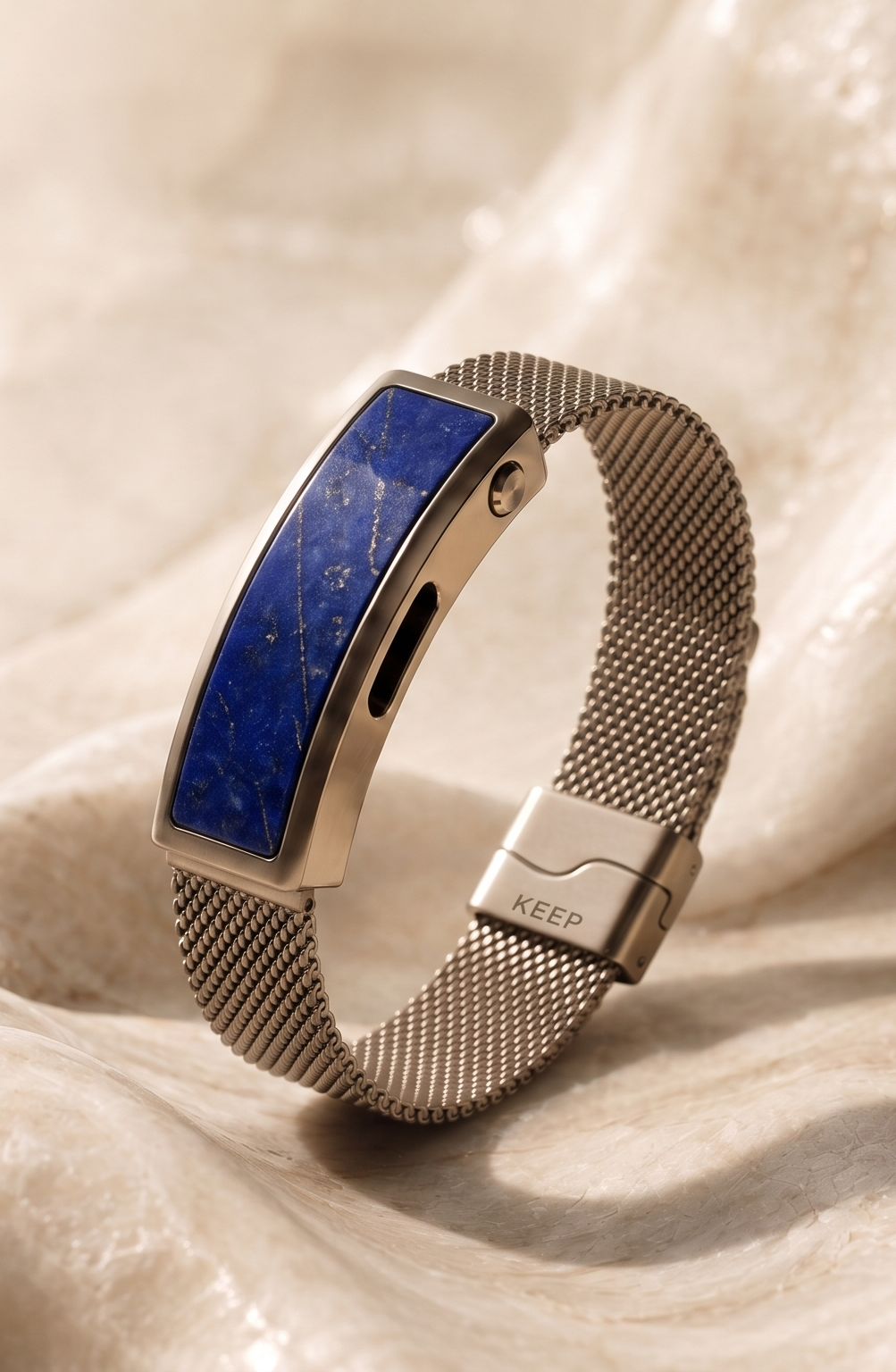
Looking for continuous tracking without the screen?
See the KEEP Band